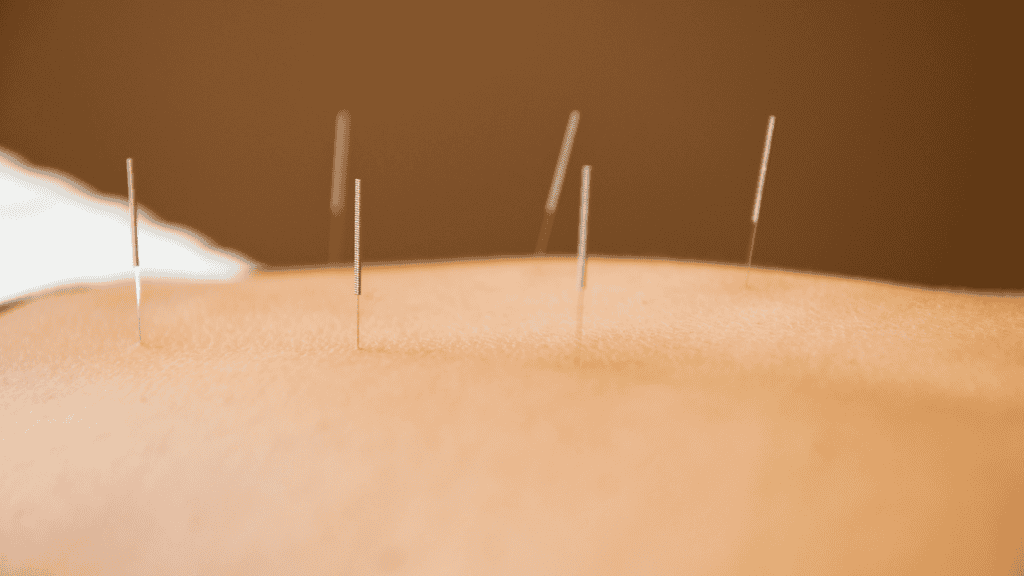
Lower back pain affects millions of people and can originate from many diverse sources. Because surgery is not always needed or desired many people explore nonsurgical options. One commonly considered option is acupuncture. This article explains how acupuncture works, what types of lower back pain it may relieve, and its limitations when pain is caused by structural problems in the lumbar discs.
What Is Acupuncture and How Does It Work
Acupuncture is a treatment method that comes from traditional Chinese medicine. It involves placing very thin needles into specific points on the body. These points are believed to influence energy flow also called qi. From a modern medical perspective acupuncture is thought to work by stimulating nerves muscles and connective tissue.
When needles are inserted, they can trigger the release of natural pain relieving chemicals such as endorphins. Acupuncture may also improve blood flow, reduce muscle tension, and calm overactive pain signals in the nervous system. These effects help explain why some people experience pain relief after treatment.
Common Sources of Lower Back Pain That Respond to Acupuncture
Acupuncture tends to work best for pain that is functional rather than structural. Muscle strain is one of the most common causes of lower back pain that responds well to acupuncture. Tight or spasming muscles can compress joints and irritate nearby nerves. Acupuncture can relax these muscles and reduce inflammation.
Myofascial pain is another source that often improves. This type of pain comes from trigger points in muscles and connective tissue. Acupuncture needles targeting these trigger points can decrease sensitivity and restore normal muscle function.
Pain related to stress posture or prolonged sitting may also respond. These conditions often involve muscle guarding and nervous system overactivity rather than physical damage to spinal structures. Acupuncture can help calm the nervous system and reduce pain perception.
Some people with mild joint irritation or early arthritis may notice temporary improvement as well. In these cases, acupuncture helps reduce inflammation and improves movement but does not change the underlying joint condition.
Lumbar Disc Abnormalities and Structural Pain
Lumbar discs are a common source for chronic low back pain. Discs are soft cushions located between the vertebrae and function as shock absorbers allowing the spine to move. Over time discs can develop structural changes including bulges, protrusions, herniations, extrusions, and degenerative disc disease.
A disc bulge occurs when the disc extends outward beyond its normal boundary. A protrusion is a more focused bulge. A herniation happens when disc material escapes through tears. An extrusion is a specific type of herniation with particular characteristics. Degenerative disc disease describes gradual disc breakdown including loss of height and internal integrity.
These conditions are structural abnormalities, which involve physical damage to the disc tissue itself.
Can Acupuncture Resolve Structural Disc Problems
Acupuncture does not have the capability to repair or reverse structural disc abnormalities. Needles placed in the skin and muscles cannot seal disc tears, restore lost disc height, or reposition displaced disc material. Lumbar discs have extremely limited blood supply and cannot selfheal once damaged.
While acupuncture may reduce muscle tension around the spine it does not correct the damaged disc. It cannot change the shape of a bulging disc or remove pressure from herniated disc material pressing on nerves.
For this reason, acupuncture cannot be expected to resolve the root cause of pain when pain is driven by disc injury.
Why Disc Related Pain Often Returns
Pain associated with disc abnormalities often improves temporarily with treatments that reduce inflammation or muscle spasm. Acupuncture can provide this type of relief. However, because the disc remains damaged the mechanical and chemical irritation continues.
Daily activities such as bending lifting twisting and prolonged sitting continue to stress the injured disc. Over time inflammation returns, nerve irritation resumes, and pain often comes back. This cycle explains why many people experience short term improvement followed by recurring symptoms.
The pain is not returning because acupuncture failed. It returns because the structural abnormality driving the pain was never corrected.
Pain Relief Versus Structural Resolution
An important question every person with lower back pain should ask is this. Is the goal to relieve the pain or to resolve the structural disc abnormality causing the pain?
If the goal is pain relief acupuncture may be an appropriate choice. It can reduce symptoms, improve comfort, and enhance quality of life especially for muscle based or stress related pain.
If the goal is to resolve a disc bulge, herniation, or degenerative disc disease, then acupuncture alone will not accomplish this. Structural problems require treatments that directly address disc integrity.
Choosing Whether Acupuncture Is Right for You
Acupuncture can be a useful tool for managing certain types of lower back pain. It is generally safe when performed by a trained professional and may reduce the need for medications in some people.
However, understanding its limitations is essential. Acupuncture does not heal damaged lumbar discs. For individuals whose pain is driven by disc injury acupuncture may serve as a symptom management strategy rather than a solution.
Knowing the source of your pain and defining your treatment goals can help guide the decision. Whether pain relief alone is sufficient or structural resolution is desired will determine if acupuncture is the right choice for your lower back pain.