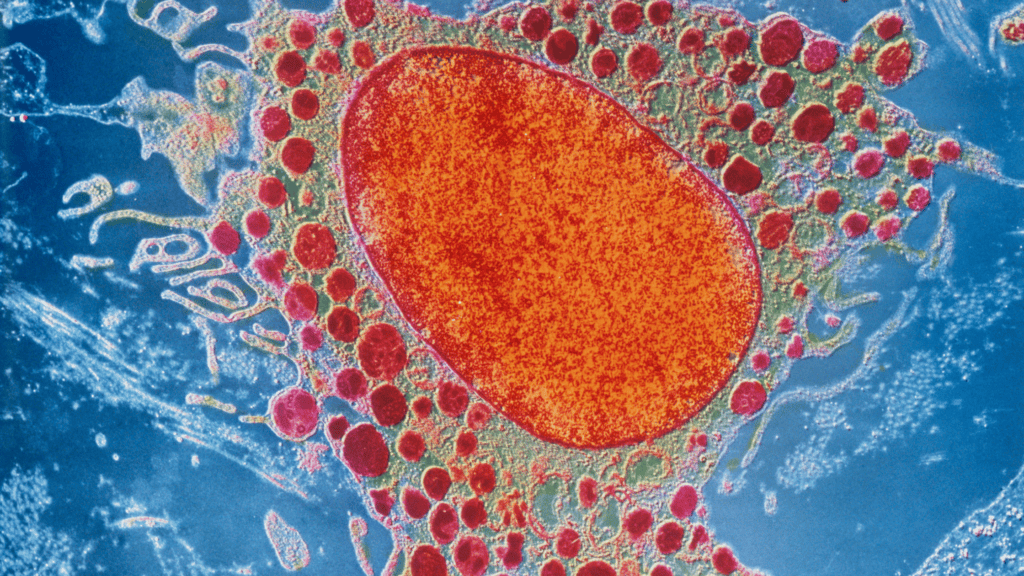
Low back inflammation is a common cause of pain, stiffness, and reduced mobility. The term inflammation is often used to describe swelling or irritation, but the process is much more complex. Inflammation is actually a biological response that occurs when the body detects injury, stress, or disease. While inflammation is an important part of healing, excessive or ongoing inflammation can become a source of pain and tissue damage.
Understanding the causes of low back inflammation can help patients and healthcare providers identify the most appropriate treatment options.
What Is Inflammation?
Inflammation occurs at the cellular level. When tissues are injured or irritated, the body’s immune system releases chemical messengers called cytokines and inflammatory mediators. These substances increase blood flow to the affected area and attract immune cells that help repair damaged tissue.
Inflammation can cause several common symptoms including:
- Pain
- Swelling
- Warmth
- Redness
- Stiffness
- Reduced function
In the spine, redness and visible swelling are usually not obvious because the affected tissues are deep inside the body. Instead, people typically notice pain, stiffness, muscle tightness, and difficulty moving.
Muscle Overuse and Temporary Inflammation
Low grade inflammation can also occur in muscles and soft tissues following overuse.
Activities such as heavy lifting, repetitive bending, prolonged sitting, yard work, or intense exercise can place stress on the muscles supporting the spine. Small amounts of microscopic tissue damage may occur. The body’s inflammatory response helps repair these tissues.
This type of inflammation is generally temporary and often resolves within days or weeks. Symptoms may include muscle soreness, stiffness, and aching in the low back.
Appropriate rest, gradual return to activity, stretching, and physical therapy often help these conditions improve.
Rheumatologic Causes of Spine Inflammation
Some forms of low back inflammation are caused by diseases of the immune system. These conditions are often referred to as inflammatory or rheumatologic disorders.
In these conditions, the immune system mistakenly attacks normal tissues, leading to chronic inflammation. Examples include:
- Ankylosing spondylitis
- Axial spondyloarthritis
- Psoriatic arthritis
- Reactive arthritis
- Enteropathic arthritis associated with inflammatory bowel disease
Unlike mechanical back pain, inflammatory back pain often develops gradually and may be worse in the morning. Patients frequently experience prolonged stiffness after waking up. Symptoms may improve with physical activity and worsen with prolonged rest.
Because these conditions involve the immune system, evaluation by a Rheumatologist is often important. Rheumatologists specialize in diagnosing and treating inflammatory diseases that affect the joints, spine, tendons, and connective tissues. Early diagnosis can help prevent long term damage and improve quality of life.
Degenerative Conditions and Inflammation
Not all spinal inflammation is caused by autoimmune disease. Degenerative changes in the spine can also trigger inflammation.
One of the most common examples is osteoarthritis, also known as degenerative joint disease. In the spine, osteoarthritis frequently affects the facet joints. These small joints connect the vertebrae and help control spinal movement.
Over time, the protective cartilage inside the facet joints can wear down. As the cartilage deteriorates, the joint surfaces become rough and irritated. This irritation can stimulate the release of inflammatory chemicals, leading to pain and stiffness.
Unlike inflammatory rheumatologic conditions, osteoarthritis is primarily a wear related process. However, inflammation still plays an important role in producing symptoms.
Patients with facet joint inflammation often experience:
- Low back pain
- Pain that worsens with standing or walking
- Morning stiffness that is usually shorter in duration
- Reduced spinal flexibility
Disc Annulus Fissures and Chemical Inflammation
One of the most important but often overlooked causes of spinal inflammation involves damage to the intervertebral discs.
Spinal discs act as shock absorbers between the vertebrae. Each disc contains a tough outer layer called the annulus fibrosus and a soft inner material called the nucleus pulposus.
Over time, injury, aging, or repetitive stress can cause small tears in the outer annulus. These tears are often called annular fissures or annular tears.
The nucleus pulposus contains powerful proinflammatory molecules. Under normal circumstances, these substances remain contained within the disc. However, when annular fissures develop, inflammatory molecules can leak through the damaged annulus and enter nearby tissues.
The epidural space surrounds the spinal nerves and contains blood vessels, connective tissue, and nerve roots. When inflammatory disc material reaches this area, it can trigger a significant inflammatory reaction.
This process is often called chemical radiculitis or inflammatory radiculitis.
When Inflammation Mimics a Pinched Nerve
Many people assume that nerve symptoms only occur when a disc physically compresses a nerve root. While compression can certainly cause symptoms, inflammation alone can also irritate nerve tissue.
When inflammatory chemicals contact a nerve root, the nerve becomes sensitized. This irritation may produce symptoms that feel very similar to a pinched nerve even when imaging studies show little or no actual compression.
Symptoms of radiculitis may include:
- Low back pain
- Buttock pain
- Leg pain
- Burning sensations
- Tingling
- Numbness
- Electrical shooting pain
In some cases, patients experience classic sciatica symptoms despite having minimal mechanical pressure on the nerve.
This helps explain why some patients have severe symptoms despite relatively small disc abnormalities seen on imaging studies.
Treatment Depends on the Cause
The best treatment for spinal inflammation depends on the underlying source.
Inflammatory rheumatologic conditions often require evaluation and management by a Rheumatologist. Treatment may include medications that specifically target the immune system and reduce inflammatory activity.
Degenerative conditions may respond to physical therapy, exercise, weight management, anti-inflammatory medications, and activity modification.
Muscle related inflammation usually improves with conservative care and time.
When inflammation affects a spinal nerve root and causes radiculitis, epidural steroid injections may provide temporary relief. These injections deliver anti-inflammatory medication directly into the epidural space, helping reduce nerve irritation and decrease symptoms.
Addressing Leaking Disc Annulus Fissures
When inflammation originates from annular fissures and leaking discs, treatment becomes more challenging.
The outer annulus has a limited blood supply, which reduces its ability to heal naturally. Traditional spine surgery may remove disc material or relieve pressure on nerves, but annular fissures themselves generally cannot be surgically sewn closed because the tissue does not have sufficient blood supply to support that type of repair.
For patients whose symptoms are believed to originate from leaking annular fissures, some physicians may consider Discseel as a nonsurgical treatment option. Discseel is designed to seal annular fissures using biologic materials with the goal of reducing leakage of inflammatory substances from the disc.
Conclusion
Low back inflammation can arise from many different causes. Autoimmune diseases, degenerative arthritis, muscle overuse, and damaged spinal discs can all trigger inflammatory responses that lead to pain and dysfunction.
One particularly important source of inflammation involves annular fissures in spinal discs. These fissures may allow proinflammatory molecules to escape into the epidural space, producing low back pain and radiculitis. In some cases, nerve root inflammation can create symptoms that closely resemble a pinched nerve even when little or no physical compression is present.
Because treatment depends on the underlying cause, accurate diagnosis is essential. Patients with suspected inflammatory spine disease may benefit from consultation with a Rheumatologist, while those with nerve root inflammation may obtain temporary relief from epidural steroid injections. Understanding the source of inflammation is often the first step toward selecting the most appropriate treatment strategy.