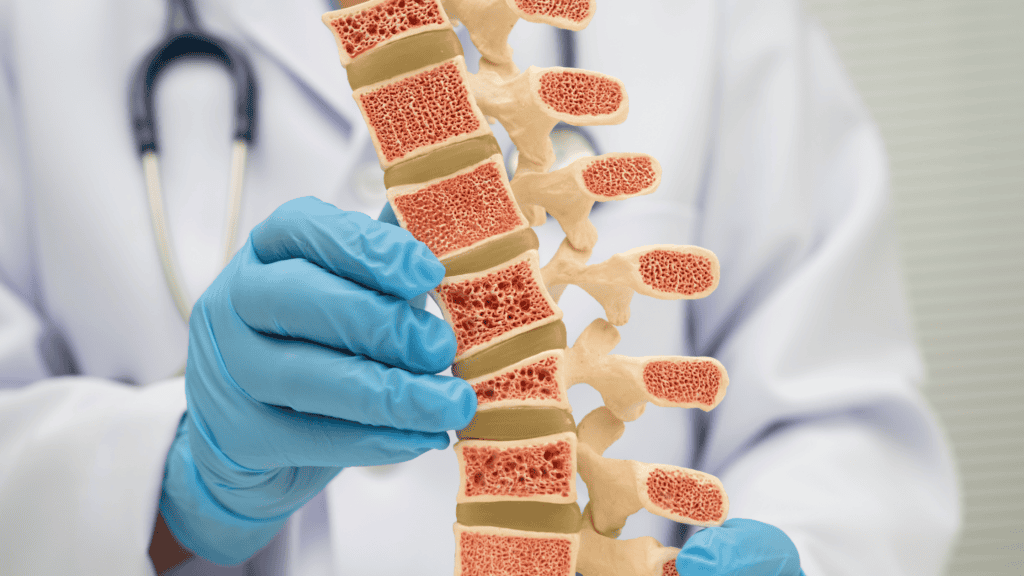
Many people confuse osteoporosis and osteoarthritis because the names sound similar. In fact, these conditions are often mistaken for one another. However, despite their similar names, they are very different diseases that affect different parts of the body.
The only real similarity is the prefix “osteo,” which means bone. Beyond that, osteoporosis and osteoarthritis have different causes, different symptoms, different risks, and different treatments.
Understanding the difference is important because confusion can lead people to misunderstand their diagnosis or delay appropriate treatment.
Why the Names Sound Similar
The word osteoporosis comes from two parts. “Osteo” means bone, and “porosis” means porous or full of small spaces. Osteoporosis is a disease that causes bones to become thinner, weaker, and more fragile.
The word osteoarthritis also begins with “osteo,” meaning bone. The second part, “arthritis,” means inflammation or disease involving a joint. Osteoarthritis is a condition that affects joints, especially the cartilage that cushions the ends of bones.
Although both conditions become more common with age, they affect the body in very different ways.
What Is Osteoporosis?
Osteoporosis is a disease of bone loss.
Healthy bones are living tissues that are constantly being broken down and rebuilt. Throughout life, the body removes old bone and replaces it with new bone. When people are young, bone formation occurs faster than bone loss.
As people age, this balance changes. Bone loss may begin to occur faster than bone formation. Over time, bones become less dense and less strong.
The inside of a healthy bone contains a network of supporting structures that resemble a honeycomb. In osteoporosis, these supporting structures become thinner and weaker. The spaces inside the bone become larger, making the bone more fragile.
As a result, bones can break more easily.
Common fracture locations include:
- The spine
- The hip
- The wrist
- The shoulder
One of the most important facts about osteoporosis is that it usually causes no symptoms until a fracture occurs.
Many people do not know they have osteoporosis until they suffer a broken bone after a minor fall or even a simple daily activity.
Risk Factors for Osteoporosis
Several factors increase the risk of osteoporosis, including:
- Aging
- Female sex
- Menopause
- Family history
- Smoking
- Excessive alcohol use
- Low calcium intake
- Vitamin D deficiency
- Lack of weight-bearing exercise
- Long term steroid use
Because osteoporosis can develop silently, screening is important for people at higher risk.
Bone density testing can identify osteoporosis before fractures occur.
What Is Osteoarthritis?
Osteoarthritis is the most common form of arthritis.
Unlike osteoporosis, osteoarthritis is not primarily a disease of bone strength. Instead, it is a disease involving joints.
Joints are places where two bones meet. The ends of the bones are covered with a smooth material called cartilage. Cartilage allows bones to glide smoothly during movement.
Over time, cartilage can gradually wear down. When this occurs, the joint becomes less smooth and less able to absorb forces.
As cartilage deteriorates, the body may respond by forming extra bone around the edges of the joint. These growths are often called bone spurs.
The result is pain, stiffness, swelling, and reduced mobility.
Common joints affected by osteoarthritis include:
- Knees
- Hips
- Hands
- Neck
- Low back
- Shoulders
In the spine, osteoarthritis frequently affects the facet joints, which help control spinal movement.
Symptoms of Osteoarthritis
Unlike osteoporosis, osteoarthritis commonly causes symptoms.
These symptoms may include:
- Joint pain
- Joint stiffness
- Swelling
- Decreased range of motion
- Grinding sensations during movement
- Difficulty with daily activities
Many people notice that symptoms worsen after activity and improve with rest.
Morning stiffness is often present but usually improves within a short period of time after getting up and moving around.
Osteoporosis and Osteoarthritis Affect Different Tissues
One of the easiest ways to remember the difference is to focus on what tissue is affected.
Osteoporosis is a disease of bone density and bone strength.
Osteoarthritis is a disease of joints and cartilage.
A person with osteoporosis may have no pain at all unless a fracture occurs.
A person with osteoarthritis may experience chronic joint pain even though their bone density is completely normal.
Because these conditions affect different tissues, having one does not automatically mean a person will develop the other.
Some people have both conditions, while others have only one.
Comparing the Risks
The biggest risk of osteoporosis is fracture.
When bones become weak, even a relatively minor injury can result in a serious break. Hip fractures are especially concerning because they can significantly affect mobility and independence.
The biggest risk of osteoarthritis is pain and loss of function.
Osteoarthritis can make walking, climbing stairs, exercising, and performing daily tasks more difficult. Severe cases may eventually require joint replacement surgery.
Although osteoarthritis can be painful, it does not typically cause bones to become fragile in the way osteoporosis does.
Likewise, osteoporosis does not usually cause the chronic joint pain associated with osteoarthritis.
How Are They Diagnosed?
Doctors use different methods to diagnose these conditions.
Osteoporosis is usually diagnosed with a bone density scan, often called a DEXA scan. This test measures bone mineral density and helps determine fracture risk.
Osteoarthritis is typically diagnosed through a combination of medical history, physical examination, and imaging studies such as X rays.
X rays may show cartilage loss, narrowing of joint spaces, and bone spur formation.
Because the conditions affect different tissues, the tests used to evaluate them are also different.
Treatment Approaches
Treatment for osteoporosis focuses on preventing fractures and improving bone strength.
This may include:
- Calcium supplementation
- Vitamin D supplementation
- Weight-bearing exercise
- Fall prevention
- Medications that strengthen bone
Treatment for osteoarthritis focuses on reducing pain and maintaining joint function.
Common treatments include:
- Exercise programs
- Physical therapy
- Weight management
- Anti-inflammatory medications
- Joint injections
- Joint replacement surgery in severe cases
The treatment goals are different because the diseases themselves are different.
Why Patients Should Know the Difference
Osteoporosis vs Osteoarthritis: Understanding the Difference
Many people confuse osteoporosis and osteoarthritis because the names sound similar. In fact, these conditions are often mistaken for one another. However, despite their similar names, they are very different diseases that affect different parts of the body.
The only real similarity is the prefix “osteo,” which means bone. Beyond that, osteoporosis and osteoarthritis have different causes, different symptoms, different risks, and different treatments.
Understanding the difference is important because confusion can lead people to misunderstand their diagnosis or delay appropriate treatment.